- Football Gist
- Posts
- How Football Transfers Work: Fees, Contracts, and Transfer Windows Explained
How Football Transfers Work: Fees, Contracts, and Transfer Windows Explained

Yashraj Kumar
February 11, 2026
Football transfers are one of the most exciting parts of the sport. Every year, clubs buy and sell players to improve their teams, build for the future, or manage finances. Transfers are not just about talent; they also involve business decisions, negotiations, and long-term planning.
What is a Football Transfer?
A football transfer happens when a player moves from one club to another. This usually involves the new club paying money to the player’s current club. Transfers allow teams to strengthen weak areas, replace departing players, or bring in young talent.
Clubs also sell players to balance their budgets or to allow players to find more playing time elsewhere. In modern football, transfers are a key part of how teams build competitive squads.
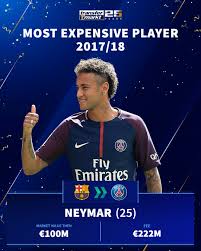
Neymar Transfer From Barcelona To PSG
Key Elements of a Transfer
Transfer Fees:- When a player is under contract with a club, another team cannot simply take them for free. They must pay a fee to the selling club. This fee is essentially compensation for losing the player’s registration and services. The amount is decided through negotiation and is based on factors like the player's skill, age, marketability, and how much time is left on their contract.
Player Contracts:- Once clubs agree on a fee, the buying club must agree on personal terms with the player. This is a legal document that binds the player to the club for a set number of years, usually between two and five. It outlines the player's duties and what the club provides in return.
Wages and Bonuses:- The financial package for the player includes a weekly wage or salary. However, modern contracts are more complex. They include performance-related bonuses for scoring goals, keeping clean sheets, or winning trophies. There are also image rights and signing-on fees, which are one-off payments for joining the club.
Negotiations:- This is the most delicate phase. Club officials negotiate with the player’s agent, not just over wages, but also over the agent's commission. Simultaneously, the buying and selling clubs may be haggling over the structure of the fee—whether it is paid upfront or in installments.
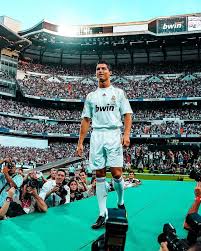
Ronaldo transfer to real madrid in 2009
The Transfer Windows
Transfers cannot happen at any time. FIFA regulates them through specific periods known as transfer windows.
Summer Window:- This is the primary window, occurring during the off-season (usually June to August). This is when most major squad rebuilding happens.
Winter Window:- A shorter window in January allows clubs to make minor adjustments to their squads for the second half of the season.
Transfers are limited to these windows to keep competitions fair and prevent teams from constantly changing squads during the season.
Types of Transfers
Permanent Transfers:- The player’s registration is sold permanently from one club to another for a fee.
Loan Deals:- A temporary move where a player joins another club for a set period, often to gain experience. The parent club usually still pays some of the wages.
Free Transfers:- When a player’s contract expires, they are "out of contract" and can negotiate with any club. Since no fee is required, the buying club can offer higher wages or a large signing-on bonus.
Release Clauses:- Some contracts include a fixed price at which a club must allow a player to speak to others. If a club meets this clause, the selling club cannot refuse the fee.
The Key People Involved
Two roles are vital in modern transfers. The sporting director identifies targets and builds the squad strategy, acting as the link between the manager and the board. The agent represents the player's interests, seeking the best financial and career move, while also facilitating negotiations between clubs.
Transfer Process
First, a club identifies a player they want to sign. Then, they contact the player’s club to discuss a transfer fee. Once both clubs agree, the player negotiates personal terms with the new club. After medical tests and paperwork, the transfer is officially announced.
Conclusion
Football transfers combine sport and business. They shape how teams build their squads and compete at the highest level. By understanding transfer fees, contracts, and the transfer window system, fans can better follow how clubs plan for success both on and off the pitch.