- Football Gist
- Posts
- How Football Clubs Make Money:- The Business Behind Modern Football
How Football Clubs Make Money:- The Business Behind Modern Football

Yashraj Kumar
February 27, 2026
Modern football is not only about players, matches, and trophies. Behind every successful club is a complex financial system that helps support teams, stadiums, and global operations. Today, football clubs operate like major businesses. They need strong financial resources to sign players, pay wages, develop facilities, and compete at the highest level.
Broadcasting Revenue
One of the biggest sources of income for football clubs is broadcasting revenue. Leagues and tournaments sell television rights to broadcasters around the world. These broadcasters pay huge amounts of money to show matches live on television and streaming platforms. The revenue from these deals is then distributed among the participating clubs. For example, teams in the English Premier League receive a share of the league’s global TV deal. Clubs that qualify for international competitions like the UEFA Champions League can earn even more money through broadcasting distributions.
Sponsorship and Commercial Deals
The biggest clubs maximize their earnings through commercial partnerships. This includes shirt sponsors, stadium naming rights, and kit manufacturing deals. These agreements are often worth hundreds of millions over several years. Global brands pay top clubs because they offer worldwide visibility. For clubs like Real Madrid or Manchester United, commercial income often rivals or exceeds their broadcasting earnings.
Matchday Revenue
Matchday income comes from fans attending games at the stadium. Supporters purchase tickets to watch matches, creating an important source of revenue for clubs. In addition to ticket sales, stadiums generate money through hospitality packages, VIP seating, food and beverage sales, and parking services. Clubs with large stadiums and strong fan bases like Barcelona’s Camp Nou or Borussia Dortmund’s Signal Iduna Park, have a significant advantage here because they can sell more seats and earn significant income from matchdays throughout the season.
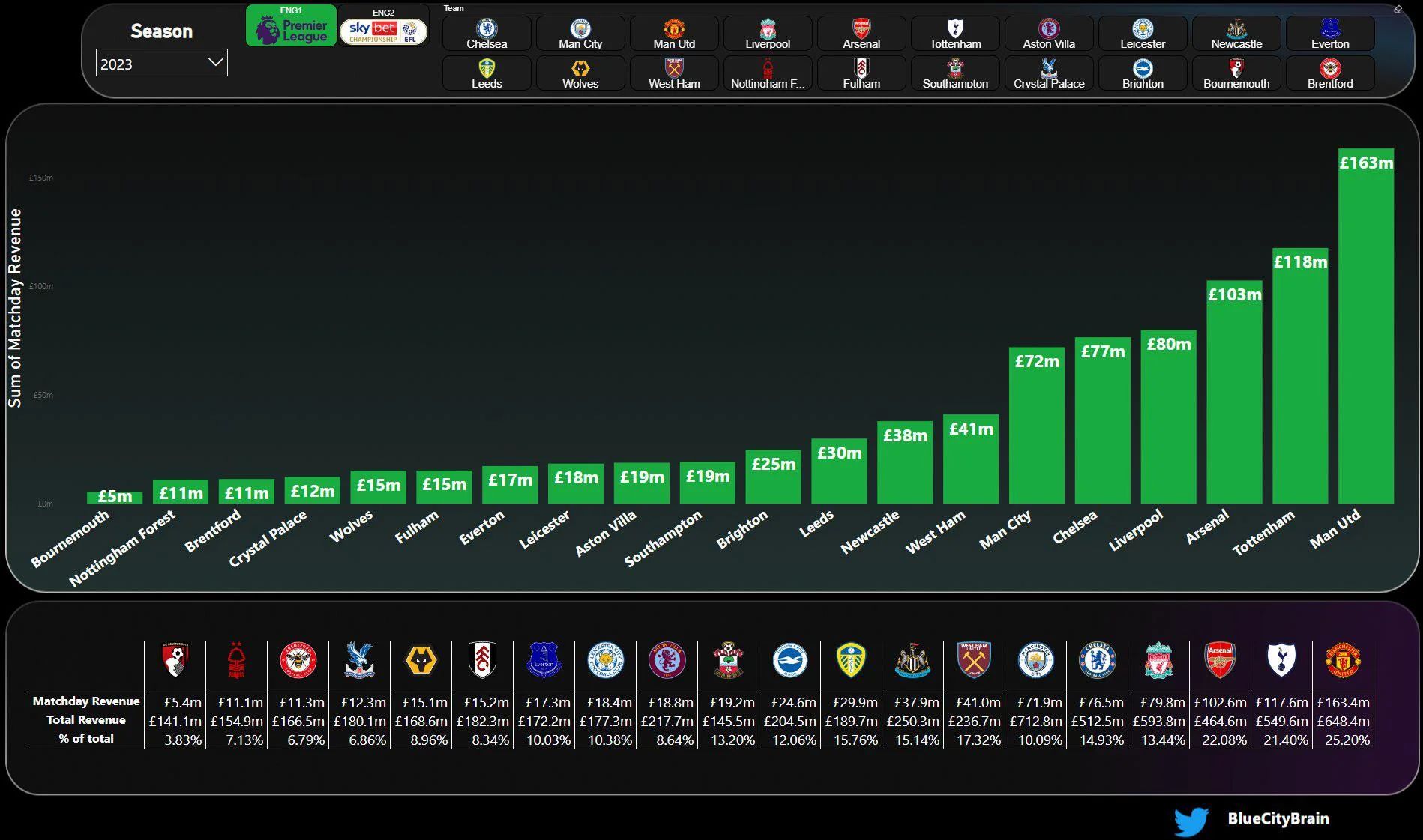
Matchday revenue of different premier league club
Merchandise and Global Branding
Selling shirts and scarves is only the beginning. The modern football business relies on global fanbases. Clubs now open megastores in foreign countries, launch membership schemes for international fans, and monetize their social media audiences. The goal is to turn a distant follower into a paying customer.
Player Transfers and Financial Strategy
Player trading is a unique aspect of football finance. While buying players is an expense, selling them is a revenue stream. Clubs generate income by purchasing young talent, developing them in their academy, and selling them for a profit later. This is often referred to as the "Southampton model" or the "Ajax model." In some cases, a single successful sale can fund an entire club for a year.
Prize Money from Competitions
Football competitions also provide prize money for clubs. Winning domestic leagues, national cups, or international tournaments often brings financial rewards. For example, teams that perform well in competitions like the UEFA Champions League earn prize money for each stage they reach. The deeper a team progresses in the tournament, the more money it receives. This prize income can significantly boost a club’s finances.
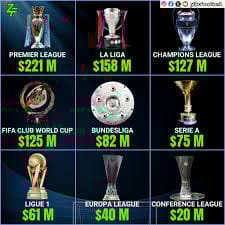
Prize money for different competition in football
Different Strategies for Different Clubs
Large clubs and smaller clubs often use different financial strategies. Big clubs usually rely heavily on commercial deals, global branding, and broadcasting revenue. While, Smaller clubs may focus more on developing young players and selling them to bigger teams. This allows them to remain financially stable while competing at their level.
Importance of Financial Management
Good financial management is essential for long-term success in football. Clubs must balance spending on players with sustainable income. Poor financial decisions can lead to serious problems, including debt or penalties from governing bodies. Responsible management helps clubs build stable teams and invest in facilities, youth academies, and future growth.
Conclusion
Understanding the business behind football allows fans to see the bigger picture. When a club sells a star player, it is not always a sign of a lack of ambition. It may be a necessary financial decision to keep the club healthy. By looking beyond the scoreline and into the balance sheet, you gain a deeper appreciation for how clubs survive, grow, and compete in the modern era.